
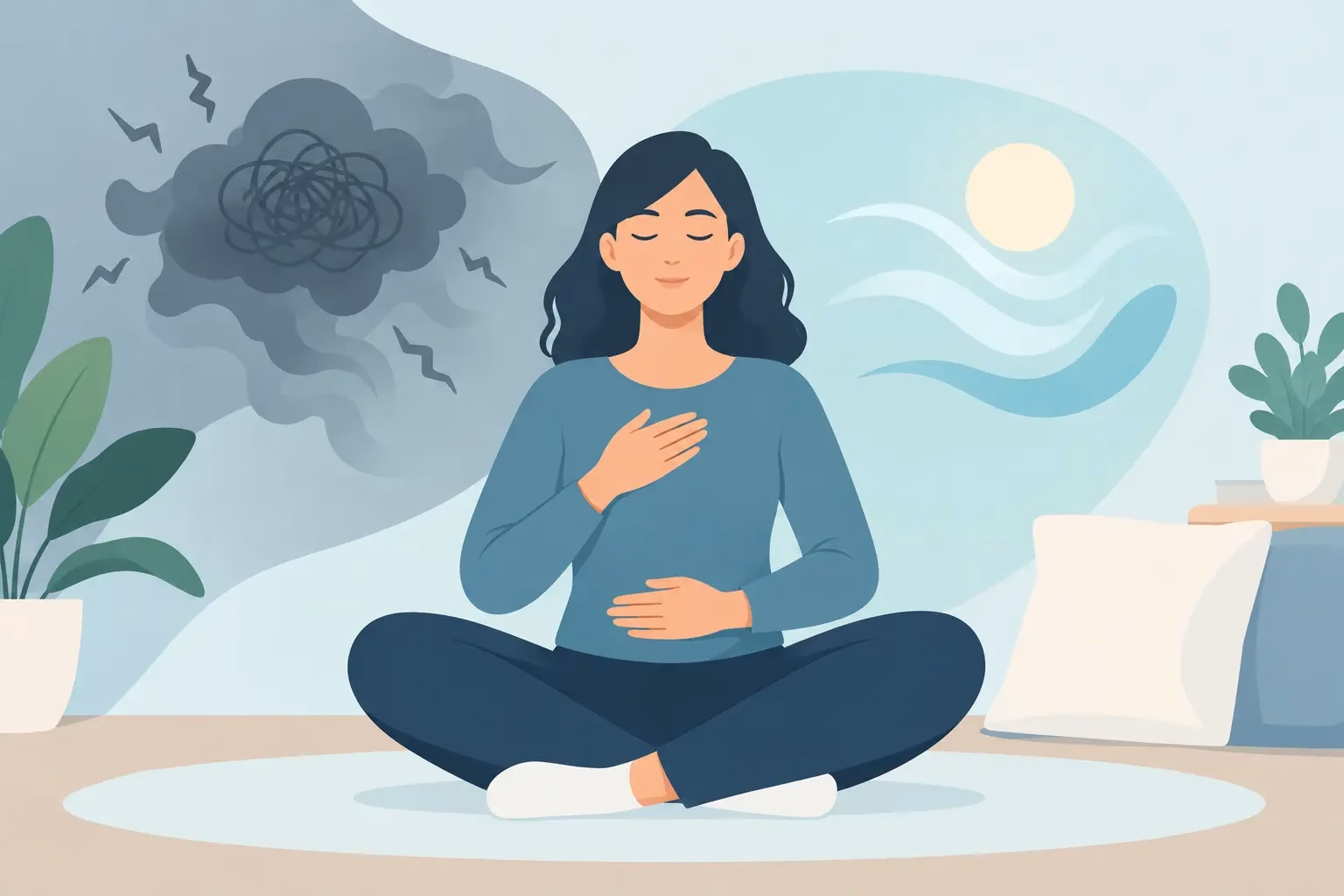
How to Calm Panic Symptoms When They Arrive
A panic surge can make a familiar room, train journey or conversation feel suddenly unsafe. Your heart may race, your chest may tighten, and thoughts can begin insisting that something terrible is about to happen. Knowing how to calm panic symptoms will not always make them disappear instantly, but it can help you meet the moment with more steadiness and less fear.
Panic is frightening precisely because it feels so physical and so urgent. You are not weak, dramatic or failing because your body has gone into alarm. It is responding as though there is danger, even when you are not in immediate danger. The aim is not to force yourself to “get over it”, but to give your nervous system clear, gentle signals that you are here, supported and safe enough for this moment.
What panic symptoms are trying to do
Panic symptoms are part of the body’s threat response. Adrenaline can create a pounding heartbeat, dizziness, shaking, breathlessness, nausea, tingling or a feeling of unreality. Your mind may then interpret those sensations as proof that you are losing control, going to faint, having a heart attack or “going mad”. That interpretation can increase fear, which in turn intensifies the physical sensations.
This cycle is deeply uncomfortable, but it is understandable. Panic often reaches a peak and then begins to settle, even when it feels as though it will continue forever. Reminding yourself of this is not about dismissing what you feel. It is about making a little room between the sensation and the catastrophic story your anxious mind is offering.
You might quietly say: “This is panic. It feels awful, but it will pass. I do not have to solve everything right now.” If those words do not feel believable, try something simpler: “I am having a hard moment.” Compassionate language can be more settling than trying to argue with yourself.
How to calm panic symptoms in the first few minutes
When panic is high, complicated advice can feel impossible to follow. Choose one or two simple actions rather than trying to do everything perfectly.
Let your exhale become a little longer
Many people begin taking quick, deep breaths when they panic. This can leave you feeling more light-headed or disconnected. Rather than forcing a large breath in, allow your breathing to be smaller and softer. Breathe in gently through your nose if comfortable, then let the breath leave slowly.
You could try breathing in for a count of three and out for a count of five. There is no need to be exact. The longer out-breath is simply an invitation to your body to reduce its alarm. If focusing on breathing makes you more anxious, stop. Grounding through your senses may suit you better.
Orient yourself to where you are
Panic pulls attention inwards, towards the heartbeat, chest, thoughts and fear. Gently turn some attention outwards. Notice the colour of a wall, the weight of your feet in your shoes, the texture of a sleeve, or the sounds furthest away from you.
You might name five ordinary things you can see: a window, a cup, a door handle, a lamp, a pavement outside. There is nothing magical about the number. What matters is helping your mind recognise that you are in a present, real place, not inside the frightening prediction.
If you are at home, holding something cool or washing your hands in lukewarm water can be useful. If you are out, placing both feet on the ground and pressing your fingertips together may offer a discreet anchor.
Reduce the struggle with the sensations
It is natural to want panic to stop immediately. Yet fighting every sensation can sometimes tell the body there really is an emergency. Where you can, experiment with a different response: notice the racing heart and say, “My body is activated.” Notice dizziness and say, “This is unpleasant, and I can stay with it for one breath at a time.”
This does not mean you have to like panic or welcome it. It means loosening the exhausting battle against an experience that is already happening. Often, the fear of the symptom is what keeps the cycle going.
Give yourself a small, practical focus
Choose one manageable next action. Sip some water. Sit near an open window. Send a brief message to someone you trust: “I am having a panic moment. Could you stay with me by text for a few minutes?” If you are in a place where you feel exposed, it may help to move somewhere quieter, but try not to rush away in a way that makes you feel you have escaped a catastrophe.
The right step depends on the situation. Sometimes staying where you are for another minute, supported by grounding, helps rebuild confidence. At other times, taking a short pause somewhere calmer is the kindest option. There is no prize for pushing through alone.
What to do once the wave has passed
After panic, many people feel shaken, tired or embarrassed. This is a time for recovery, not self-criticism. Your body has used a great deal of energy. Drink something, eat if you need to, rest where possible, and avoid replaying the episode as evidence that you cannot cope.
It can be helpful to reflect later, with curiosity rather than blame. Had you been under pressure, sleeping poorly, drinking more caffeine or alcohol than usual, skipping meals, dealing with conflict, or carrying a worry you had not had space to acknowledge? Panic can seem to arrive from nowhere, but it often appears when a system has been stretched for some time.
Keeping a brief note of what was happening before, during and after an episode may reveal patterns. The purpose is not to monitor yourself obsessively. It is to understand what your nervous system may be responding to and what genuinely helps you recover.
When panic keeps returning
Repeated panic attacks can lead to a difficult narrowing of life. You may start avoiding public transport, shops, meetings, exercise, unfamiliar places or being alone because you fear another episode. Avoidance usually brings short-term relief, but it can quietly teach the mind that ordinary situations are dangerous.
Support can help you approach this pattern at your own pace. Therapy offers a confidential space to understand the roots of panic, including ongoing stress, loss, trauma, perfectionism, health anxiety, difficult relationships or feelings that have had little room to be expressed. An integrative approach can make space for both practical strategies and the personal story beneath the symptoms.
You do not need to arrive with the right words or a clear explanation. You might simply begin with: “I keep panicking and I do not understand why.” At The Psychological Oasis, the first steps into counselling are intended to feel gentle and human, without pressure to perform or explain everything at once.
When to seek urgent medical help
Panic symptoms can resemble symptoms of physical illness, especially chest pain, breathlessness or faintness. If these sensations are new, severe, unusual for you, or you are unsure whether they could be medical, seek medical advice promptly. In the UK, call 999 or go to A&E in an emergency. If you feel at risk of harming yourself or cannot keep yourself safe, urgent support matters too – you do not have to manage that alone.
For ongoing symptoms, speaking with your GP can be a helpful part of the picture. They can discuss possible physical contributors and support options alongside therapy.
Panic may be loud, convincing and exhausting, but it is not a verdict on who you are or what your future will look like. Each time you respond with even a small measure of steadiness and care, you are showing your nervous system that it does not have to carry the alarm alone.