Therapy for Harmful Coping Behaviours
Some coping behaviours look functional from the outside until the cost becomes impossible to ignore. You might keep working long after your body is asking you to stop, drink to settle your nerves in the evening, shut down in relationships, overeat in secret, scroll for hours, or pick fights when you feel abandoned. Therapy for harmful coping behaviours begins by recognising something very simple and very human – these patterns usually started as a way to survive.
That does not mean they are harmless. It means there is a reason they took hold. For many people, that idea brings relief. If you have been judging yourself harshly, it can help to know that coping behaviours are rarely random. They often develop to manage anxiety, numb pain, create control, avoid rejection, or get through stress that feels too much to carry alone.
What counts as a harmful coping behaviour?
A coping behaviour becomes harmful when it protects you in one moment but damages your wellbeing over time. Sometimes the harm is obvious, as with substance misuse, self-harm, compulsive spending, or risky sex. Sometimes it is quieter, but still painful, as with people-pleasing, emotional withdrawal, overworking, perfectionism, binge eating, or using constant busyness to avoid feelings.
The behaviour itself is only part of the picture. Two people can do the same thing for very different reasons. One person may drink socially without much consequence. Another may rely on alcohol every evening because silence brings panic or sadness to the surface. That is why good therapy does not reduce your struggle to a checklist. It looks at what the behaviour is doing for you, what triggers it, and what happens afterwards.
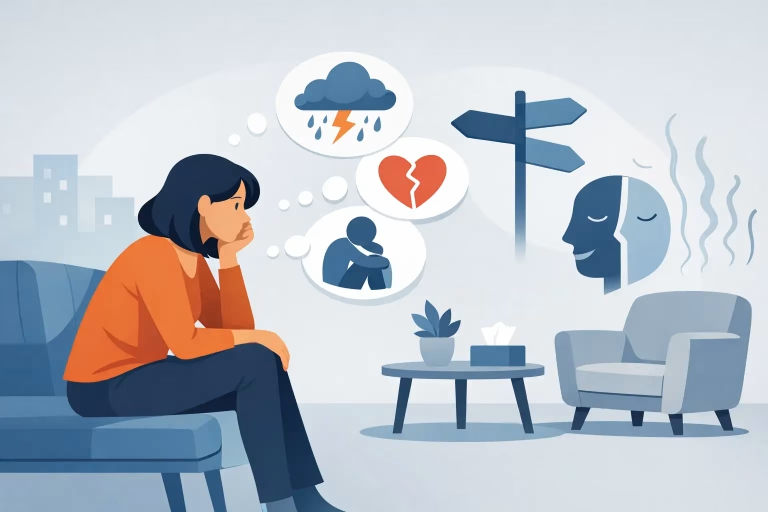
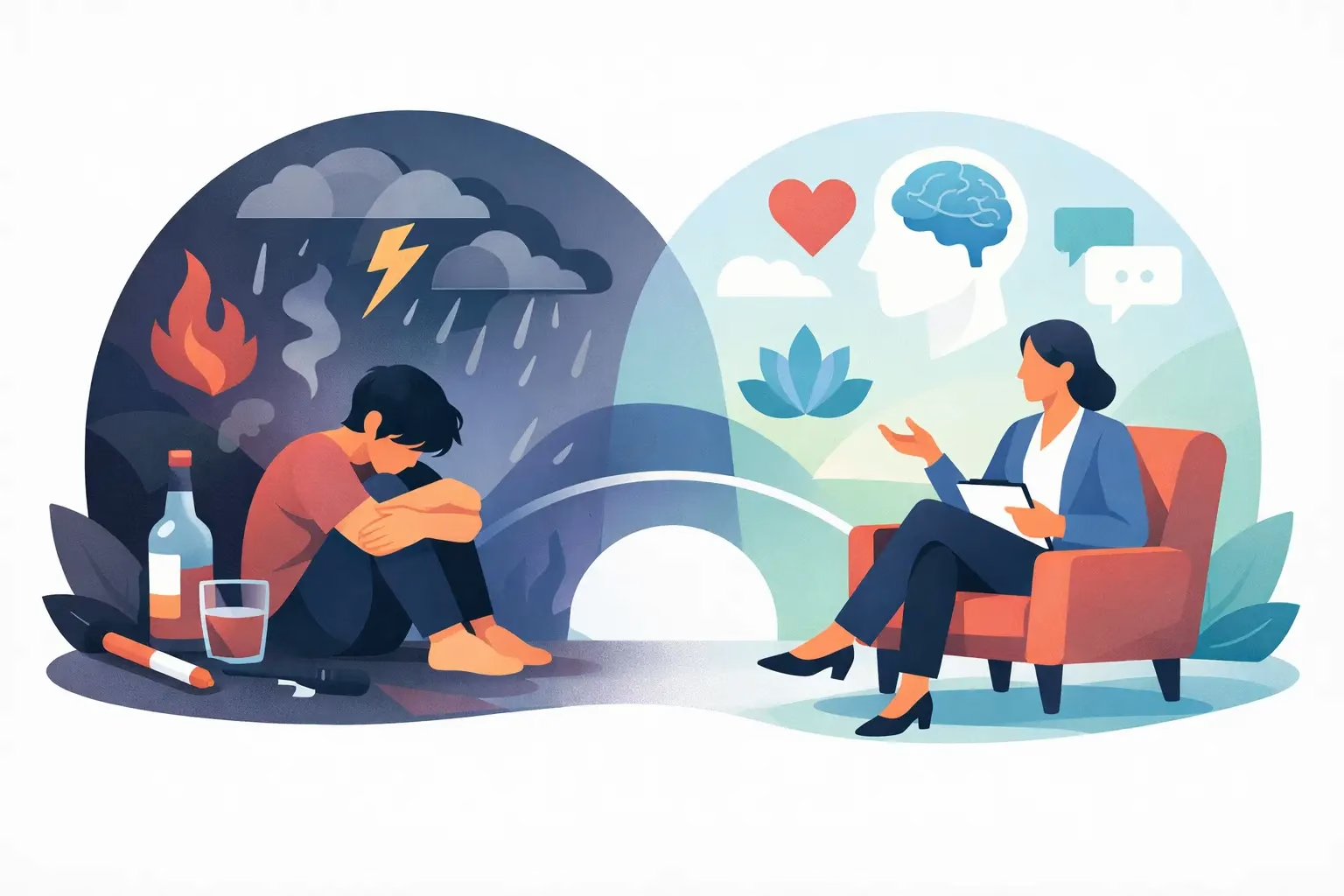
Very often there is a cycle. Something difficult happens internally or externally. You feel overwhelmed, ashamed, angry, lonely, exposed, or numb. The coping behaviour offers short-term relief. Then the aftermath arrives – guilt, secrecy, conflict, physical exhaustion, financial strain, or a deeper sense of disconnection. The original feeling returns, often stronger, and the cycle starts again.
Why harmful coping behaviours are so hard to stop
If you have tried to stop and found yourself returning to the same pattern, that does not mean you are weak or uncommitted. It usually means the behaviour is meeting a need that has not yet been understood well enough.
This is where therapy can feel different from advice. Advice tends to focus on stopping. Therapy makes room to understand. If a behaviour helps you manage panic, avoid traumatic memories, soften self-criticism, or feel less alone, then removing it without support can leave you feeling exposed. Change becomes more possible when you are not only asked to give something up, but helped to build something steadier in its place.
There can also be layers beneath the behaviour that are easy to miss. Old attachment wounds, chronic stress, burnout, grief, trauma, family dynamics, low self-worth, and emotional neglect can all shape how a person copes. Some people learned early that feelings were dangerous, inconvenient, or unwelcome. Others had to become self-sufficient too soon. Harmful coping behaviours often make more sense when seen in the context of what you have lived through.
How therapy for harmful coping behaviours can help
Therapy for harmful coping behaviours is not about being told off, analysed from a distance, or pushed into disclosures before you are ready. At its best, it offers a calm, collaborative space where you can begin to understand your pattern without being shamed by it.
In practice, that often starts with slowing things down. What tends to happen before the behaviour? What emotions show up? What beliefs appear in those moments? What are you trying to escape, soothe, control, or express? These questions are not there to interrogate you. They help uncover the emotional logic of the pattern.
From there, therapy can support change in a way that feels realistic. That may involve learning how to notice triggers earlier, increasing emotional regulation, working with trauma responses, setting gentler boundaries, or finding safer ways to manage distress. Sometimes it means grieving what you did not receive. Sometimes it means challenging beliefs such as “I am too much”, “I should cope on my own”, or “this is just who I am”.
There is no single method that suits everyone. An integrative therapist may draw from different approaches depending on your needs, your history, and the pace that feels safe for you. For one person, practical grounding strategies may be the right starting point. For another, the deeper work may involve unresolved trauma, relationship patterns, or a long-standing sense of emptiness.
What therapy looks like in real life
Many people worry that therapy will be intense from the first session, or that they will need to explain everything perfectly. In reality, it can begin much more gently than that. You might start with what is happening now – the drinking, the shutdown, the bingeing, the compulsive checking, the anger, the avoidance – and only gradually move into where it comes from.
The pace matters. If a coping behaviour has helped you get through life, even imperfectly, then forcing change too quickly can backfire. Therapy works best when there is enough safety for honesty, enough trust to reduce defensiveness, and enough steadiness to try something different between sessions.
It is also common for progress to be uneven. You may understand a pattern intellectually before you feel able to shift it emotionally. You may have a few steadier weeks and then find yourself slipping back during stress, conflict, or exhaustion. That is not failure. It is often part of the work. The aim is not perfection. The aim is growing awareness, more choice, and less automatic harm.
When the coping behaviour feels secret or shameful
Shame keeps many harmful coping behaviours in place. The more ashamed you feel, the more likely you may be to hide the behaviour, minimise it, or punish yourself for it. That secrecy can make the problem feel even larger and more fixed than it really is.
Therapy can help by offering a different kind of experience. Instead of being met with blame, you are met with curiosity, care, and clear thinking. That does not mean the impact is ignored. It means the work starts from the understanding that shame rarely creates lasting change. Feeling safely seen often does.
This can be especially important if you have had previous experiences of being dismissed, judged, or misunderstood. Many clients arrive feeling wary for good reason. A gentle therapeutic relationship can help restore trust, not only in the process, but in your own inner experience.
Is therapy enough on its own?
Sometimes yes, and sometimes not by itself. It depends on the severity of the behaviour, the risks involved, and what else is happening in your life. For some people, weekly therapy provides exactly the structure and support needed to create meaningful change. For others, additional support may be appropriate, especially if there is significant addiction, medical risk, immediate safety concerns, or a need for more intensive care.
A good therapist will not pretend one size fits all. If a coping behaviour is putting you in danger, or if withdrawal and dependency are involved, broader support may be needed alongside therapy. What matters is finding help that is both compassionate and honest about the level of care required.
Starting therapy for harmful coping behaviours
If you have been carrying this alone, you may be more hesitant than you let on. You might worry that your behaviour is too messy, too embarrassing, or too deeply rooted to talk about. You might also fear being pushed before you are ready.
A thoughtful first step can make a real difference. The Psychological Oasis offers a gentler route into therapy, without making the process feel cold or overly clinical. For many people, that matters. When you already feel overwhelmed or ashamed, the way support begins is not a small detail. It can be the difference between reaching out and staying silent.
You do not need to have the right words before you begin. You do not need a polished explanation or a dramatic crisis. If something in your way of coping is hurting you, affecting your relationships, or leaving you feeling stuck, that is enough reason to seek support.
Change often starts quietly. A conversation. A little less hiding. A little more understanding. At your own pace, therapy can help you move from surviving through harm to coping with more care.