
Finding a Compassionate Private Therapist UK
When you are already carrying too much, the thought of finding therapy can feel like one more thing to manage. If you are searching for a compassionate private therapist UK clients can speak to with ease, you may not be looking for something polished or clinical. You may simply want a place to begin that feels safe, human, and calm.
For many people, that first step is not just about credentials or availability. It is about whether the therapist seems likely to meet you with warmth rather than judgement. That matters more than it might appear on paper, especially if you are feeling anxious, ashamed, emotionally numb, burnt out, or unsure how to put your experience into words.
What a compassionate private therapist in the UK really offers
Compassion in therapy is not the same as being endlessly reassuring or agreeable. A compassionate private therapist in the UK should be able to sit with distress without rushing to tidy it away. They should make room for your experience while also helping you understand patterns, name what hurts, and move towards change.
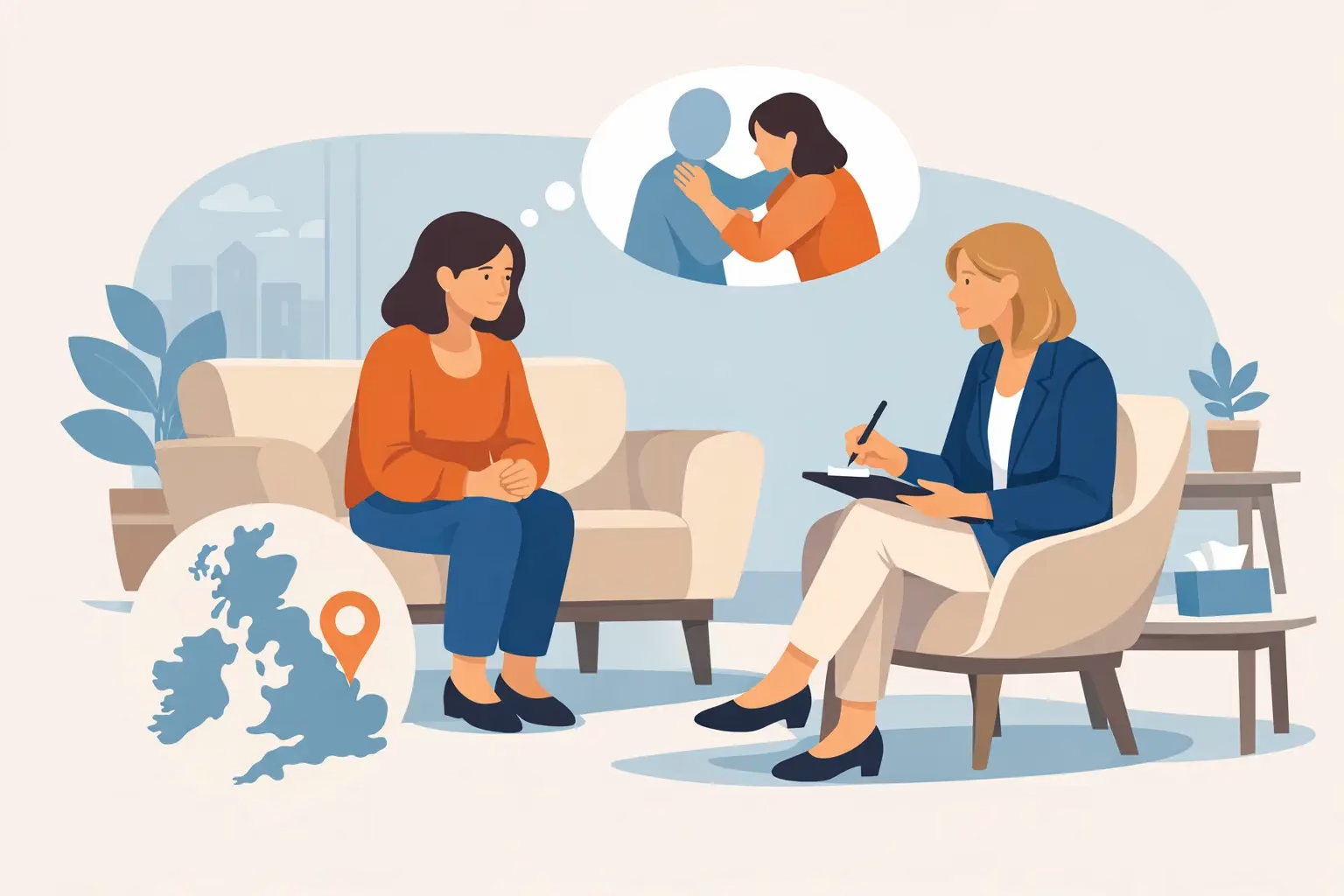
In practice, this often means the relationship feels collaborative rather than overly formal. You are not being processed. You are being met. A good therapist will still hold professional boundaries, work ethically, and bring clinical understanding, but the experience should not feel cold or impersonal.
Private therapy can be especially helpful if you want more choice and continuity. You may be able to find someone whose approach fits you better, access support more quickly, and choose appointments that work around work, caring responsibilities, or fluctuating energy. That said, private therapy is an investment, so it is reasonable to look carefully at both the emotional fit and the practical side.
Why emotional safety matters before techniques
People often begin by asking what kind of therapy they need. CBT, psychodynamic therapy, integrative counselling, trauma-informed work, relational therapy – these can all be useful. But before any model can help, you need enough safety to speak honestly.
If you have felt dismissed, criticised, controlled, or unseen in other parts of life, starting therapy can bring up the same fears. You might worry about being too much, not enough, or somehow getting it wrong. A compassionate therapist understands that hesitation is part of the process, not a problem to fix.
This is particularly important if you are living with overwhelm, addiction, low self-esteem, unresolved trauma, or relationship difficulties. These experiences often affect trust. You may want support badly and still feel resistant to opening up. Both can be true at once.
A gentle start can make a real difference. That may mean a simpler enquiry process, time to ask questions, and early sessions that focus on helping you settle rather than forcing immediate disclosure. Therapy does not need to begin with pressure. It can begin at your own pace.
How to recognise a compassionate private therapist UK clients can trust
The signs are sometimes subtle. A therapist does not need to sound overly soft or make grand promises. More often, trust grows through how they communicate. Do they explain things clearly? Do they sound grounded rather than distant? Do they leave space for uncertainty, or do they push you too quickly towards booking?
Accreditation and registration matter because they give you a basic level of assurance around training, ethics, and accountability. In the UK, many people look for therapists registered with professional bodies such as the BACP. That does not guarantee a perfect fit, but it can help you feel more secure that the therapist works within recognised standards.
Beyond qualifications, notice how the therapist describes their work. If you are already feeling fragile, a highly rigid process may feel harder to approach. Some people prefer structure, and that can be helpful. Others need a more relational, human entry point, especially if previous help has felt too mechanical.
It also helps to consider whether the therapist has experience with the issues you are facing. Anxiety and burnout can look very different from trauma, addictive patterns, emotional disconnection, or attachment wounds. An experienced therapist will not reduce everything to one neat explanation. They will listen for the fuller picture.
The value of an integrative and relational approach
Many clients are not looking for a textbook response to a complex life. They want therapy that can respond to who they are, how they cope, and what has shaped them. This is where an integrative approach often feels helpful.
Integrative therapy draws from more than one model rather than applying the same method to every person. For one client, practical coping tools might be the right starting point. For another, the work may need to focus on early relational experiences, grief, shame, or the ways they have learnt to disconnect from themselves to survive.
There is a trade-off here. A highly structured method can sometimes feel clearer at the beginning, while a more integrative approach may feel less tidy but more personal. Neither is automatically better. It depends on what you need, how you make sense of your experience, and what helps you feel engaged rather than managed.
A relational style can be especially important if your difficulties show up in connection with others. If relationships have been a source of pain, closeness may feel risky. Therapy can become a space where those patterns are noticed gently and understood with care, not judgement.
Online therapy and private support across the UK
For many adults, online therapy has made private support more accessible. You do not need to be near a city centre or fit appointments around long travel times. You can attend from home, from a private office, or from any quiet place where you feel comfortable enough to talk.
Online work suits many people well, particularly if life is busy or energy is limited. It can also reduce some of the activation that comes with walking into an unfamiliar room. For clients managing anxiety, burnout, parenting demands, or health issues, that ease matters.
Still, it is not one-size-fits-all. Some people find online sessions less containing and prefer face-to-face work where possible. Others value the distance because it helps them feel safer. What matters is not whether one format is superior, but whether the setting supports honesty, steadiness, and continuity for you.
A gentler way to begin therapy
One of the biggest barriers to therapy is not willingness. It is the feeling that you must present your pain neatly to deserve help. Many people delay reaching out because they do not know how to explain what is wrong, or because everything feels too muddled.
A compassionate private practice understands this. You should not have to complete an overly formal process before anyone speaks to you like a person. Sometimes the most therapeutic first step is simply being welcomed without pressure.
This is part of what makes practices such as The Psychological Oasis stand out to people who have been put off by more impersonal systems. The emphasis is not on pushing you through a clinical funnel. It is on making first contact feel manageable, respectful, and emotionally safe.
That does not mean therapy becomes vague or unstructured. It means professionalism is expressed through steadiness, care, and clarity rather than distance. For many clients, especially those who are anxious about starting, that difference is significant.
What to ask yourself before choosing a therapist
You do not need to interrogate every detail, but a few quiet questions can help. Do you feel calmer or more tense after reading about the therapist? Can you imagine speaking freely with them, even if it takes time? Does their approach seem to match what you need right now?
It can also help to be honest about practical realities. Weekly therapy may be ideal, but finances, work patterns, or family responsibilities can affect what is sustainable. Some private therapists offer concession rates, which can make ongoing support more realistic. It is worth checking, because therapy only helps if it is accessible enough to continue.
You are allowed to care about both competence and comfort. In fact, that combination is often what makes therapy effective. Feeling understood does not replace clinical skill, and clinical skill without warmth can be hard to receive.
If you are searching for a compassionate private therapist UK support can begin more simply than you expect. You do not need a perfect explanation, a crisis-level reason, or complete certainty. Sometimes the next right step is just reaching towards a conversation that feels a little less lonely.