
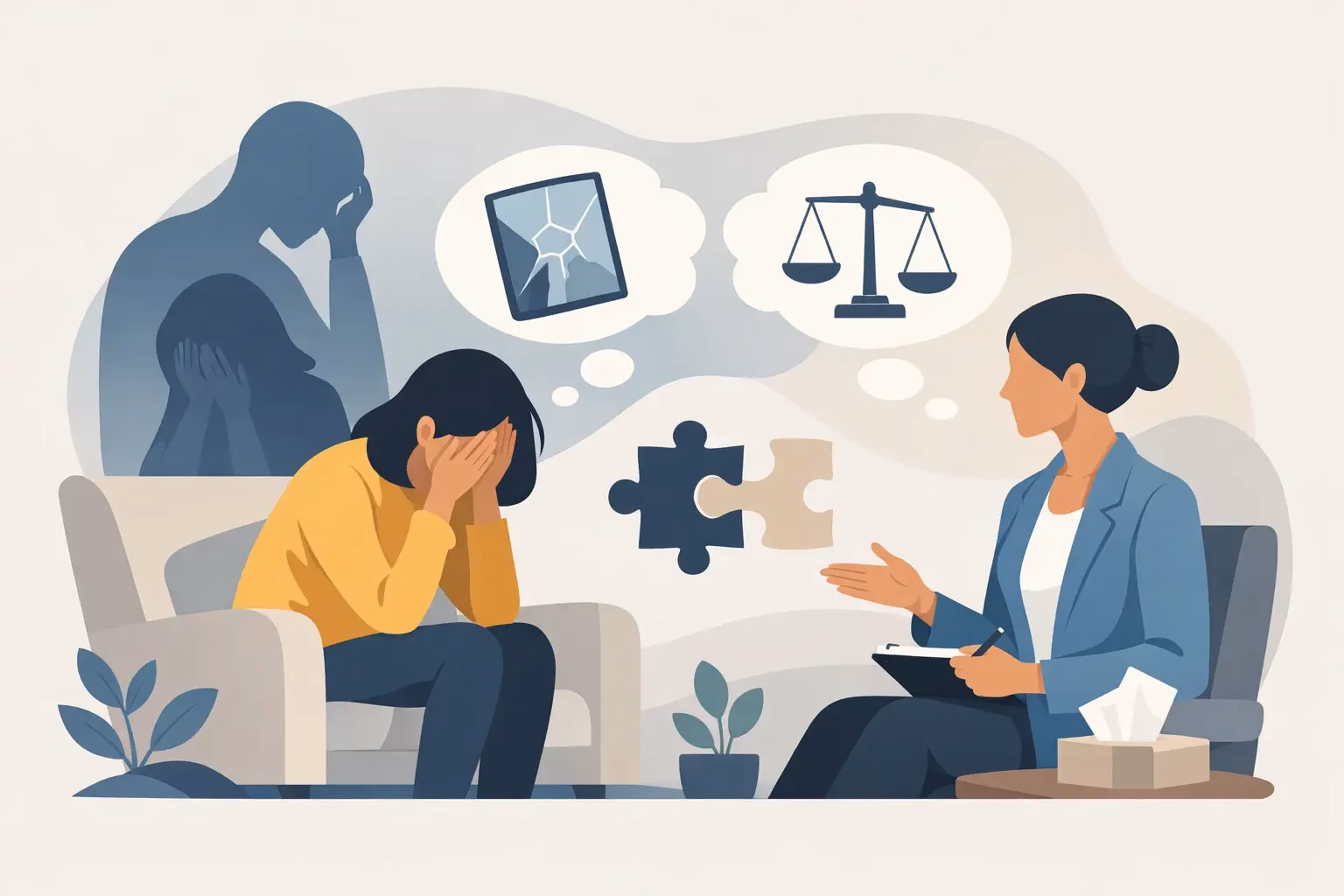
Counselling for Shame and Guilt Can Help
There are thoughts that can be hard to say aloud: “I should have known better.” “What is wrong with me?” “If people knew, they would not want me.” Counselling for shame and guilt offers a confidential space where those thoughts do not have to be defended, minimised or carried alone. You can begin with what feels possible, at your own pace.
Shame and guilt are often spoken about as though they are the same feeling. They are closely connected, but they can affect us in different ways. Both can be painful. Both can shape relationships, choices and self-worth. Yet neither means that you are beyond understanding or care.
The difference between shame and guilt
Guilt tends to say, “I did something wrong.” It may arise after hurting someone, breaking a promise, acting against your values or making a decision you regret. Guilt can be uncomfortable, but it can sometimes be useful. It may help us recognise harm, take responsibility, apologise or make a different choice next time.
Shame goes deeper and is usually more personal. Rather than focusing on an action, it tells us that we are wrong, bad, weak or unlovable. It can make a mistake feel like proof of a permanent flaw. Someone might feel guilty about losing their temper, for example, but ashamed that they are “the sort of person” who loses control.
This distinction matters because shame rarely softens through being told simply to “let it go”. It often needs to be met with curiosity, compassion and a clearer understanding of where it came from.
Why shame can feel so powerful
Shame is not always linked to one obvious event. It may have developed gradually through criticism, bullying, neglect, difficult family dynamics, controlling relationships, discrimination or experiences of trauma. Children can be especially quick to blame themselves for situations they had little or no power to change.
As adults, we may continue to live by old conclusions: that our needs are too much, that asking for help is selfish, or that we must be perfect to be accepted. These beliefs can become so familiar that they feel like facts. They may show up as people-pleasing, perfectionism, overwork, emotional numbness, addiction, withdrawing from others or an intense fear of getting things wrong.
Shame can also attach itself to experiences that are already painful. People may feel ashamed of anxiety, depression, addiction, grief, a relationship breakdown, sexual experiences, anger or difficulty coping. They may have been treated as though their struggle was a personal failure rather than a human response to something difficult.
You do not need to prove that your shame is justified before bringing it to therapy. In fact, many people are surprised by how much relief comes from being able to speak about the parts of themselves they have worked hardest to hide.
What counselling for shame and guilt can offer
Therapy is not about being judged, corrected or persuaded to see yourself positively before you are ready. It is a relationship in which you can begin to understand your experience with someone alongside you. For people living with shame, that sense of safety can be deeply significant.
An integrative counsellor may draw on different therapeutic approaches according to what you need. At times, the work may involve gently exploring past experiences and the messages you received about yourself. At other times, it may focus on how shame affects your everyday life now: the conversations you avoid, the pressure you put on yourself, or the ways you cope when difficult feelings become overwhelming.
If guilt is connected to something you regret, counselling can make room for honest reflection without collapsing into self-punishment. Taking responsibility matters, particularly where someone has been hurt. But responsibility is not the same as endlessly condemning yourself. Therapy can help you consider what repair is possible, what cannot be changed, and how to live more closely with your values from here.
For some people, shame is tied to trauma or abuse. They may feel responsible for what happened, even when the responsibility was never theirs to carry. This work needs care. There is no benefit in forcing disclosure or revisiting painful memories before you feel sufficiently safe and supported. A good therapeutic process respects your pace.
What it can look like in everyday life
Shame does not always announce itself as shame. It can appear in quieter, more familiar patterns. You might replay an awkward conversation for days, assume a delayed reply means someone is angry with you, or feel unable to accept a compliment. Perhaps you find it easier to support everyone else than to admit you are struggling.
It can also make closeness feel risky. When you expect rejection, it may feel safer to keep people at a distance, hide your feelings or leave before you can be left. In relationships, shame can lead to defensiveness, silence or a desperate need for reassurance. None of this means you are difficult or broken. These patterns often began as ways of protecting yourself.
Counselling offers the chance to notice those patterns without blaming yourself for having them. Over time, you may become better able to recognise the moment shame takes over and respond differently. That might mean pausing before apologising automatically, setting a boundary, speaking more honestly with someone you trust, or allowing yourself to make an ordinary human mistake without treating it as a catastrophe.
Self-compassion is not letting yourself off the hook
A common concern is that being kinder to yourself will make you careless, selfish or unwilling to change. For many people, harsh self-criticism has been mistaken for conscience. They worry that without it, they will lose control.
Usually, the opposite is true. Shame tends to make reflection harder because it creates fear and defensiveness. When you feel safer, you are often more able to look clearly at your actions and their impact. Self-compassion does not deny harm or remove accountability. It gives you enough emotional steadiness to face what is true without being overwhelmed by it.
This can be particularly relevant where guilt and shame are connected to addiction or behaviours you want to change. Shame may fuel secrecy, isolation and the sense that there is no point trying. A compassionate therapeutic relationship does not excuse harmful behaviour, but it can help interrupt the cycle of pain, self-attack and further coping through the very thing that is causing difficulty.
Starting therapy when you feel embarrassed or unsure
It is understandable to feel hesitant about bringing shame into counselling. You may worry that your experience sounds small compared with other people’s, that a therapist will think badly of you, or that you will not know where to start. You do not need a polished account of what has happened.
You might begin by saying, “There is something I find hard to talk about,” or “I do not know why I feel this way, but I am exhausted by it.” That is enough. Therapy can begin with uncertainty.
At The Psychological Oasis, the aim is to make the first step feel as calm and human as possible. Online counselling can offer privacy and flexibility, allowing you to speak from a place where you feel more comfortable. Whether you have carried these feelings for years or they have become sharper after a recent event, you deserve a space where you are met with care rather than judgement.
Shame often asks you to hide. Guilt can insist that you deserve no relief. You do not have to accept either voice as the final word. With patient support, it is possible to understand what these feelings are trying to protect, take responsibility where it is needed, and begin treating yourself with the humanity you may have been withholding for far too long.