
Can Online Therapy Help Trauma? A Gentle Look
Trauma can make the world feel less predictable. A sound, a conversation, a particular date, or a feeling in the body can bring back something you thought was long behind you. When daily life already feels demanding, the thought of travelling to an unfamiliar room and speaking about painful experiences may feel like too much.
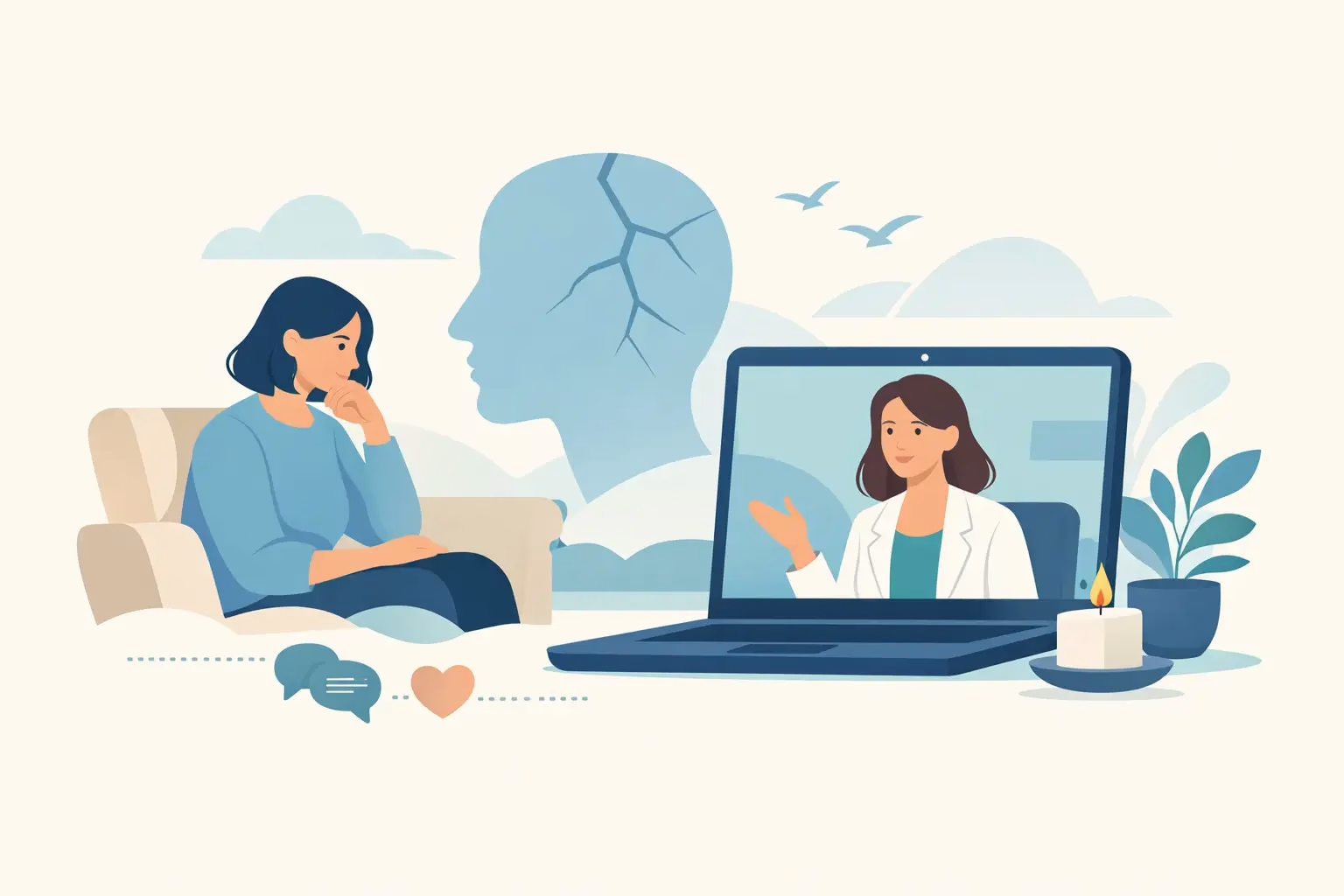
So, can online therapy help trauma? For many people, yes. Online therapy can offer a steady, private space to begin making sense of what has happened, without needing to leave home. But it is not about pushing yourself to revisit everything at once. Good trauma therapy is paced carefully, shaped around your needs, and grounded in a relationship where you feel respected and safe.
Can online therapy help trauma recovery?
Trauma is not only about the event itself. It can also be about what your mind and body had to do to get through it. You may notice anxiety, numbness, anger, disturbed sleep, intrusive memories, panic, shame, difficulties trusting others, or a sense of being constantly on guard. Sometimes the connection to trauma is clear. At other times, you may simply know that life does not feel as manageable or connected as you would like it to.
Online therapy can help by creating regular space to understand these experiences with a trained therapist. Rather than asking, “Why can’t I just get over this?”, therapy can gently explore a more compassionate question: “What happened to me, and what do I need now?”
An online setting may be especially helpful if travelling is difficult, busy places feel overwhelming, your energy is limited, or privacy matters greatly. Being in a familiar environment can help some people feel more settled at the beginning of a session. For others, the journey home after face-to-face therapy offers useful time to decompress. Neither preference is wrong. What matters is finding an arrangement that supports you well enough to show up and engage.
Safety comes before detailed memories
There is a common fear that trauma therapy means recounting every detail of the past. It does not have to. In fact, moving too quickly into painful memories can leave someone feeling more overwhelmed, disconnected, or distressed.
A thoughtful therapeutic process usually begins with the present. You and your therapist may first focus on what helps you feel steadier, how you recognise signs of overwhelm, and what makes it easier to return to a sense of safety. This could include noticing bodily sensations, identifying supportive routines, understanding triggers, or finding ways to manage difficult emotions between sessions.
Only when it feels appropriate might therapy begin to explore particular experiences more directly. Even then, you remain in control of what you share. You can slow down, pause, change direction, or say that something feels too much. Therapy should not feel like an examination or a test of courage.
For many people, the most healing part is not one dramatic breakthrough. It is the repeated experience of being listened to without judgement, believed without being rushed, and met with care where there may once have been fear, confusion, or isolation.
What online trauma therapy can offer
The practical benefits of online therapy can make consistent support more possible. You can attend from a place that feels private, without commuting, sitting in a waiting room, or worrying about being recognised. This may be particularly valuable if you are balancing work, caring responsibilities, health concerns, or periods of low confidence.
Consistency matters because trauma can affect trust. Meeting in the same way, at an agreed time, with a therapist who learns how you experience the world, can gradually create a reliable therapeutic relationship. That relationship is not a quick fix, but it can become a secure base from which change feels more possible.
Online work can also support a gentle transition after sessions. You may choose to sit quietly with a cup of tea, take a short walk, write down what has come up, or return to a familiar routine. Planning this time is worthwhile, especially if sessions touch something emotionally significant.
At The Psychological Oasis, online counselling is approached as a human conversation rather than a rigid process. You do not need to arrive with the right words, a full account of your history, or certainty about what you need. It is enough to begin where you are.
When online therapy may be harder
Online therapy is not automatically the best fit for every person or every situation. A reliable internet connection, a private room, and a device you can use comfortably make a real difference. If you share a home or are concerned that someone may overhear you, it can be difficult to speak freely. Some people use headphones, sit in a parked car, or arrange a time when they are alone, but these solutions need to feel genuinely safe rather than stressful.
There are also times when more immediate or intensive support may be needed. If you are at immediate risk of harming yourself or someone else, feel unable to keep yourself safe, or are experiencing a mental health crisis, online counselling alone may not provide the level of help required. In the UK, contact emergency services on 999, attend A&E, or call NHS 111 and select the mental health option where available. If you are elsewhere, contact your local emergency or crisis service.
A good therapist will speak openly with you about suitability. This is not a rejection. It is part of taking your wellbeing seriously. Therapy works best when the support, setting, and level of care match what you are facing.
How to make online sessions feel safer
You do not need to create a perfect therapeutic environment, but a few small preparations can reduce pressure. Choose a space where you are least likely to be interrupted and, if possible, let others know you need some privacy. Keep water nearby and make sure your device is charged. You may also find it reassuring to have something grounding within reach, such as a blanket, a familiar object, or a notebook.
It can help to tell your therapist early on what happens when you feel overwhelmed. Perhaps you go quiet, struggle to think, become tearful, feel detached, or want to end the conversation suddenly. Naming this together means you can develop a plan before you need it. That might involve taking a pause, looking around the room, feeling your feet on the floor, or ending a session with a few minutes focused on settling.
You can also be honest about what you do not want to discuss yet. Boundaries are not barriers to therapy. They are often an essential part of building the trust that makes deeper work possible later.
Choosing a therapist for trauma support
The relationship with your therapist matters as much as the format. Look for someone appropriately qualified and registered with a recognised professional body, who can explain how they work and who welcomes questions. You should feel able to ask about their experience of trauma, confidentiality, online privacy, session fees, and what happens if you become distressed during a session.
It may take time to know whether a therapist is right for you. Feeling nervous at the start is common, particularly if trauma has made trust difficult. Yet over time, you should feel that you are being treated with warmth, respect, and care. You should not feel pressured to disclose more than you are ready to share.
Trauma can leave people feeling that their choices have been taken away. Therapy cannot change the past, but it can offer a space where your voice, limits, and pace matter. Starting online may be a small step, but it can be a meaningful one. You do not have to face what happened alone, and you do not have to have everything worked out before you ask for support.