Online Counselling vs NHS Therapy
When people compare online counselling vs NHS therapy, they are often not looking for a perfect answer. They are trying to work out where they can be met with care, how long they may need to wait, and whether support will feel manageable when life already feels heavy.
That question matters because both routes can be valuable, and both come with real differences. For some people, NHS therapy is the right starting point. For others, private online counselling offers a level of speed, continuity and personal fit that makes beginning feel much easier. The best choice is often less about which is “better” in the abstract, and more about what you need now.
Online counselling vs NHS therapy: the main difference
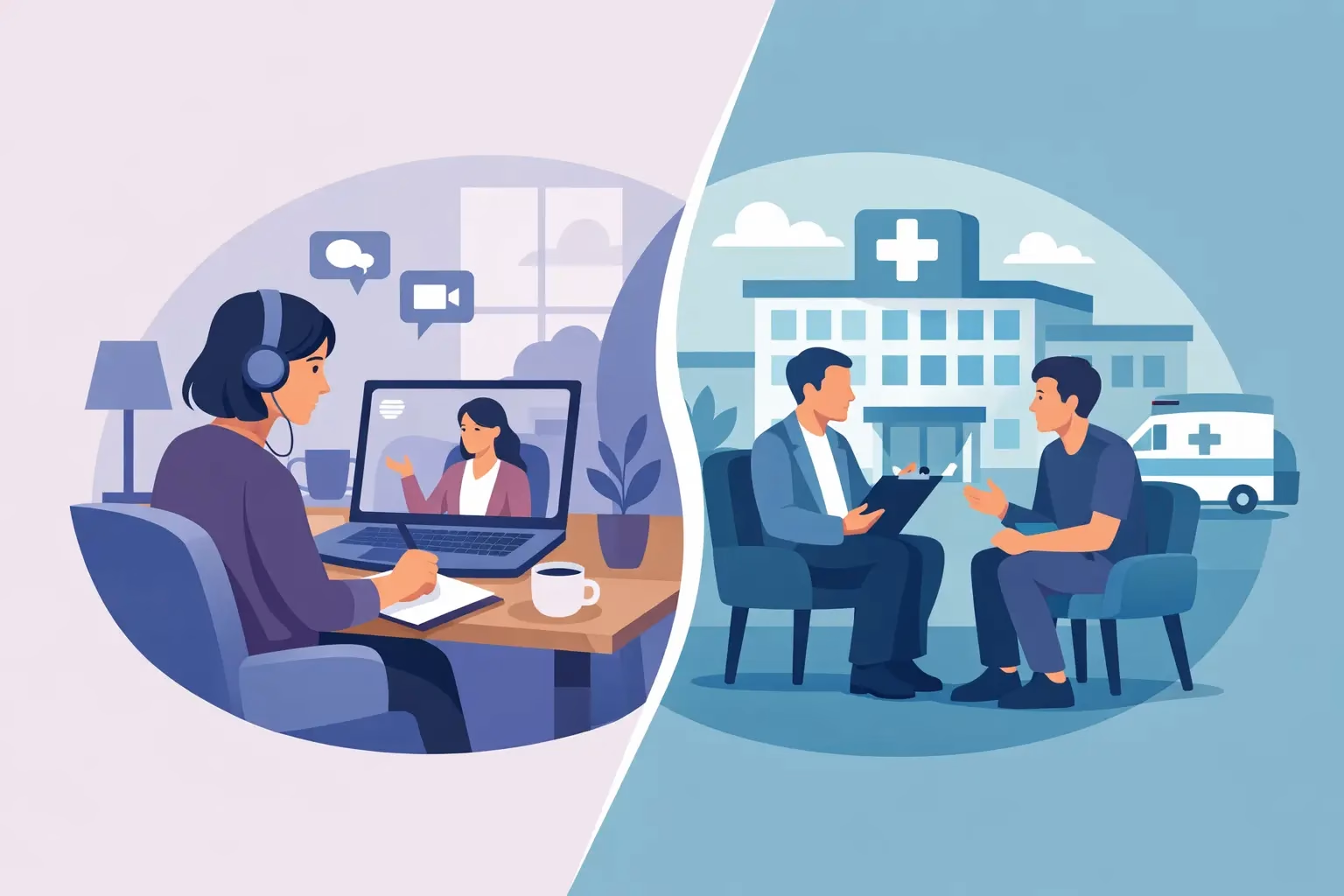
The clearest difference is how support is accessed and delivered. NHS therapy is part of a public healthcare system. Depending on where you live and what you are seeking help for, you may need to speak to your GP first, or you may be able to self-refer into a local talking therapies service. The service is usually free at the point of use, which matters enormously.
Online counselling in private practice works differently. You contact a therapist directly, arrange an initial conversation, and if it feels like a good fit, sessions can often begin quite quickly. The process is usually more personal from the outset, with fewer layers between you and the therapist you will actually speak to.
This distinction can sound practical, but it often has an emotional impact too. If you are already overwhelmed, burnt out, ashamed, anxious or struggling to hold things together, a complicated route into support can feel like one more hurdle. Equally, if cost is a major concern, free NHS provision may make therapy possible when private work simply is not realistic.
Waiting times and urgency
For many people, this is where the decision becomes clearer. NHS services can involve waiting lists, and those waits vary a good deal by area, service demand and the kind of support being offered. Some people are seen relatively quickly. Others wait weeks or months, especially if their needs are more complex or if local services are stretched.
Private online counselling is usually much quicker to access. That does not mean rushed or impersonal. In a good private setting, quicker access can mean less time spent carrying distress on your own before the work begins.
If you are in a period of acute stress, emotional collapse, rising anxiety, addiction concerns or relationship crisis, timing matters. Starting sooner can help prevent things from becoming more entrenched. On the other hand, if you are able to wait and your local NHS service offers the kind of therapy you need, that route may still be a very sound option.
Choice of therapist and therapeutic fit
One of the biggest differences in online counselling vs NHS therapy is choice. With NHS services, you may have little control over who you see. You are usually offered a clinician based on availability, local systems and service structure. That does not mean the therapy will be poor. Many NHS therapists are highly skilled, thoughtful and deeply committed. But the system does not always allow for much personal choice.
In private online counselling, you can choose a therapist whose way of working feels right for you. That includes practical things such as availability, but also something more personal – whether you feel safe, understood and able to speak openly with them.
This matters more than people sometimes realise. Therapy is not just about techniques. The relationship itself often shapes whether you feel able to stay, trust the process and bring difficult parts of yourself into the room. If you have experienced trauma, attachment wounds, shame or emotionally inconsistent relationships, feeling at ease with your therapist is not a luxury. It is part of the work.
Structure, flexibility and depth
NHS therapy is often organised around set pathways. You may be offered a particular model of therapy, a limited number of sessions, and a service framework designed to meet broad demand. This can be very effective, especially for some forms of anxiety and depression, and many people benefit from short-term, focused work.
But not everything fits neatly into a brief model. Emotional overwhelm, longstanding trauma, relationship patterns, low self-worth, addiction, grief that has become stuck, or a persistent sense of disconnection may need a different pace. Some people do not need a fixed programme. They need space to understand themselves more fully.
Private online counselling can offer more flexibility here. Sessions may be open-ended or reviewed collaboratively over time. The work can adapt to you rather than asking you to fit a service pathway. That often feels gentler and more human, particularly if your difficulties are layered or hard to explain.
There is a trade-off, of course. Structure can be containing, and some people prefer a clear treatment plan. Others feel hemmed in by it. It depends on your needs, your history and what kind of support helps you feel steady enough to engage.
Cost and accessibility
This is the most obvious advantage of NHS therapy. It is free, and that removes a very real barrier. For many people, private counselling is simply not affordable, especially during periods of financial strain, sickness, burnout or instability.
Private online counselling involves paying per session, and that cost needs honest consideration. Therapy should not create more pressure than it relieves. Some therapists do offer concession rates, which can make private support more accessible, but it still requires budgeting.
At the same time, accessibility is not only about money. It is also about whether you can attend consistently, whether travel is a strain, whether you need privacy, and whether your work or caring responsibilities make fixed daytime appointments difficult. Online counselling can make therapy possible for people who might otherwise not attend at all. If you live in a rural area, travel frequently, have limited energy, or simply feel safer speaking from home, that can be a meaningful difference.
Privacy, pace and the feeling of the process
People rarely seek therapy as their most confident self. Often they reach out while already feeling exposed. So the process of starting matters.
NHS systems can sometimes feel formal because they have to assess risk, manage demand and work within clear procedures. Those systems exist for understandable reasons, but they can feel impersonal when you are nervous, ashamed or unsure how to put your feelings into words.
Private practice often allows for a calmer entry point. A simple enquiry, a gentle first exchange, and a sense that you can begin at your own pace can reduce some of the fear around therapy. That does not mean avoiding professionalism. It means offering it in a way that feels human.
For many clients, this is where the difference becomes most felt rather than most described. Not just how therapy is delivered, but how it feels to arrive.
Which option may suit you best?
If cost is your main concern, or if your local NHS service is available within a reasonable timeframe, NHS therapy may be the right place to begin. It can offer genuine help, and for many people it is an important lifeline.
If you need support sooner, want more choice in who you work with, or know that a warm and relational therapeutic fit is especially important for you, private online counselling may suit you better. This can be particularly true if your difficulties are longstanding, complex, or connected to trauma, self-esteem, emotional disconnection or relationship patterns that need more than a brief intervention.
Some people use both at different times in their lives. Others begin with the NHS and later move into private work, or start privately while waiting for NHS support. It does not have to be an ideological decision. It can simply be a practical and compassionate one.
At The Psychological Oasis, the aim is to make that first step feel less daunting by offering professional online therapy in a way that is calm, clear and gentle from the start.
If you are weighing up your options, it may help to ask a softer question than which route is best. Ask which route feels most possible for you right now, and which one gives you the best chance of being supported with care, honesty and enough space to breathe.