Online Trauma Counselling UK: What to Expect
When trauma is still close to the surface, even looking for help can feel like too much. You might find yourself opening a few websites, reading a line or two, then closing the tab again. If you have been searching for online trauma counselling UK services, that hesitation makes sense. Starting therapy can bring up fear, doubt, and the very understandable question of whether it will feel safe enough.
Trauma often affects far more than memory. It can shape the way you sleep, trust, work, relate to other people, and move through daily life. Some people live with flashbacks or panic. Others feel numb, disconnected, irritable, or constantly on alert. Sometimes trauma is linked to one clear event. Sometimes it comes from repeated experiences such as neglect, emotional abuse, controlling relationships, or growing up without enough safety.
Why online trauma counselling in the UK can feel more manageable
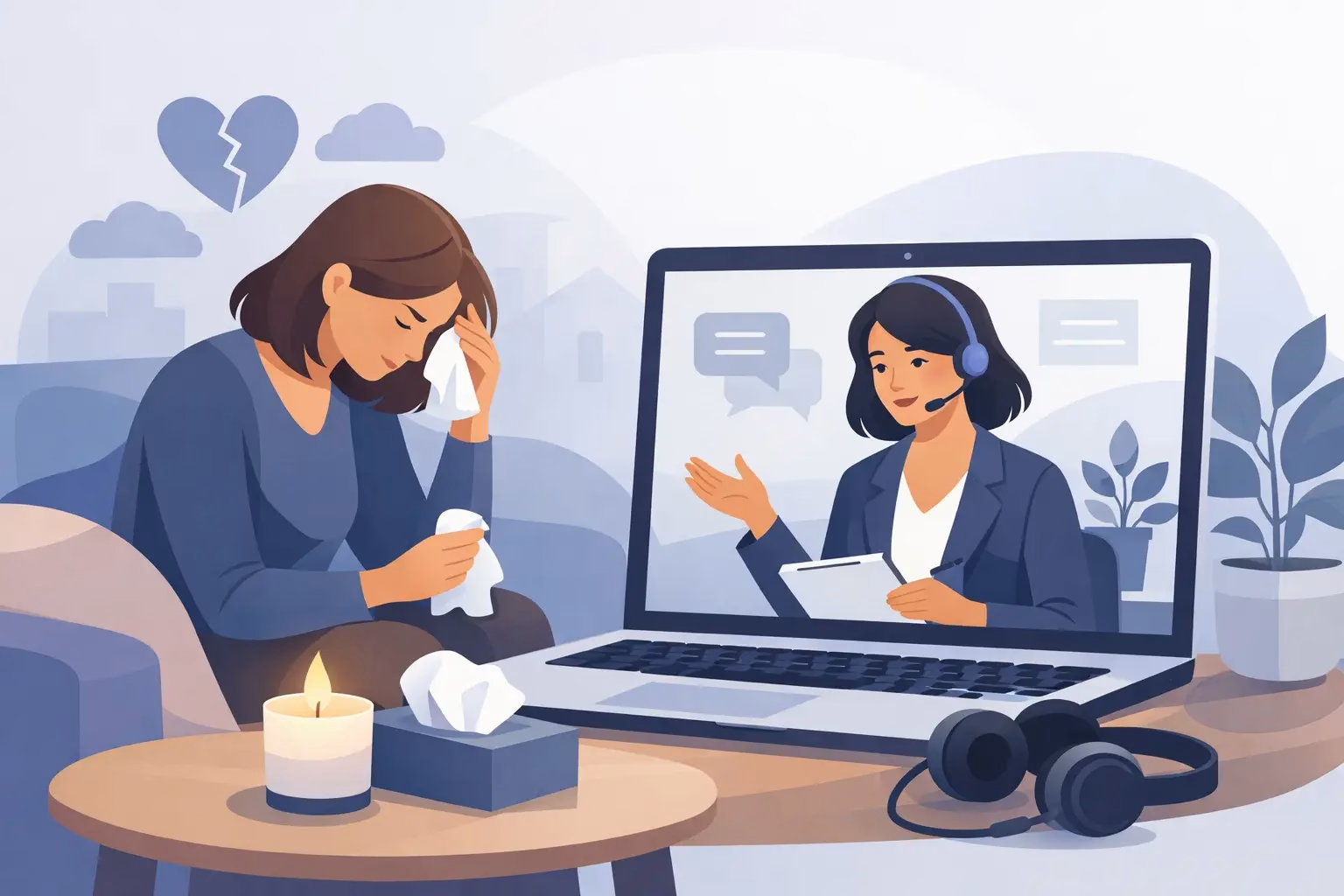
For many adults, online therapy offers something very valuable at the start – less pressure. You do not need to travel, sit in a waiting room, or hold yourself together on the journey home. You can speak from your own space, with familiar surroundings nearby, and that can make it easier to begin.
This matters because trauma therapy is not only about talking through painful experiences. It is also about helping your mind and body feel safer in the present. Being at home can support that. You may want a blanket, a cup of tea, softer lighting, or the reassurance of knowing your front door is locked. These small details are not trivial. They can help create enough steadiness for the work to begin.
That said, online counselling is not automatically easier for everyone. If home feels chaotic, private space is hard to find, or being on screen makes you self-conscious, it may take time to settle. Good therapy makes room for that reality rather than pretending one format suits everybody.
What online trauma counselling UK sessions usually involve
Many people worry that trauma therapy means being asked to retell everything straight away. In careful, ethical practice, that is not how it should work. A good therapist will usually focus first on building trust, understanding what is happening for you now, and helping you feel more grounded before going anywhere near the deepest parts of your story.
Early sessions often centre on your current experience. You might talk about anxiety, sleep problems, intrusive memories, low mood, burnout, shame, anger, or relationship patterns that no longer make sense to you. You may also notice physical symptoms – a racing heart, a tight chest, nausea, exhaustion, or the sense that your nervous system never fully switches off.
Trauma can leave people swinging between overwhelm and shutdown. One moment you may feel too much, the next almost nothing. Therapy can help you recognise these patterns with less self-blame. Instead of asking, “What is wrong with me?” the work gently shifts towards, “What has happened to me, and how have I learned to survive it?”
That shift matters. It can soften shame and create space for self-understanding.
A gentle pace is not a lack of progress
People sometimes fear that if therapy feels slow, it is not working. Trauma work rarely responds well to force. Moving too quickly can leave you flooded, distressed, or disconnected after sessions. A steadier pace often leads to deeper and more lasting change.
This may mean spending time on grounding, emotional regulation, boundaries, and recognising triggers. It may mean learning how to notice when you are drifting away from yourself and how to come back. It may mean talking around an experience before talking directly about it. None of this is avoidance. It is preparation.
How to know if a therapist is a good fit
Qualifications matter, especially when trauma is involved. In the UK, many people feel reassured by working with a therapist who is accredited or registered with a recognised professional body such as the BACP. That does not guarantee a perfect fit, but it does indicate professional standards, ethical accountability, and ongoing practice requirements.
Just as important is the relational fit. Trauma often grows in places where safety, trust, or choice were missing. Because of that, the quality of the therapeutic relationship is not a side issue. It is central. You may want to ask yourself whether the therapist seems calm, respectful, and able to meet you without rushing, analysing, or making assumptions.
The right therapist for you does not need to feel impressive. They need to feel safe enough. There is a difference.
What to look for in online trauma counselling UK support
It can help to notice whether the therapist explains things clearly, welcomes uncertainty, and gives you space to go at your own pace. Trauma-informed support should not feel cold or overly scripted. It should feel grounded, collaborative, and human.
Some clients want a structured approach. Others need a more relational and integrative style that can adapt to what emerges in the room. Neither is universally better. It depends on your history, your preferences, and what helps you feel contained rather than managed.
Common concerns before starting
One of the most common worries is, “What if I fall apart?” Often, beneath that question is an older fear – if I let myself feel this, I might not be able to stop. A skilled therapist will take this seriously. Sessions should include attention to how you arrive, what feels manageable, and how you leave. Endings matter, especially in trauma work.
Another concern is privacy. If you live with family, flatmates, or a partner, finding confidential space can be difficult. Some people take sessions in the car, some use headphones in a quiet room, and some arrange a regular time when they know they will not be interrupted. It is not always perfect, but there are often workable options.
Cost can also be a real part of the decision. Private therapy is an investment, and that can bring up practical stress as well as emotional pressure to make the “right” choice. If finances are tight, it may be worth looking for therapists who offer concession rates. Feeling supported should not depend on pretending money is irrelevant.
What healing can look like
Healing from trauma is not usually a neat before-and-after story. It is often quieter than that. You may notice that you recover more quickly after being triggered. You may begin to sleep a little better, feel more present in your relationships, or speak to yourself with less cruelty. Situations that once sent you into panic or shutdown may start to feel more manageable.
Sometimes progress looks like grief. As you feel safer, you may become more aware of what you went through and what you did not receive. That can be painful, but it can also be part of reclaiming your own reality.
Over time, therapy can help you build a different relationship with your past. Not erased, not denied, but held with more steadiness and less fear. You may still remember what happened, yet it does not dominate your inner world in the same way.
A more human way into therapy
If you have been put off by long forms, clinical language, or the feeling that you need to explain everything perfectly before anyone can help, you are not alone. Many people need a gentler starting point. A calm first conversation, clear information, and a sense that you will not be pushed can make all the difference.
This is part of what makes practices such as The Psychological Oasis feel more approachable for some clients. The process can be more human, less formal, and easier to begin when you are already carrying a lot.
You do not need to have a polished explanation for your trauma. You do not need to be certain that your experiences were “bad enough”. And you do not need to be ready to tell the whole story in one go. If you are looking for online trauma counselling UK support, it is enough to start with the part you can say today. That is often where healing begins – not in pressure, but in feeling safe enough to be met.