
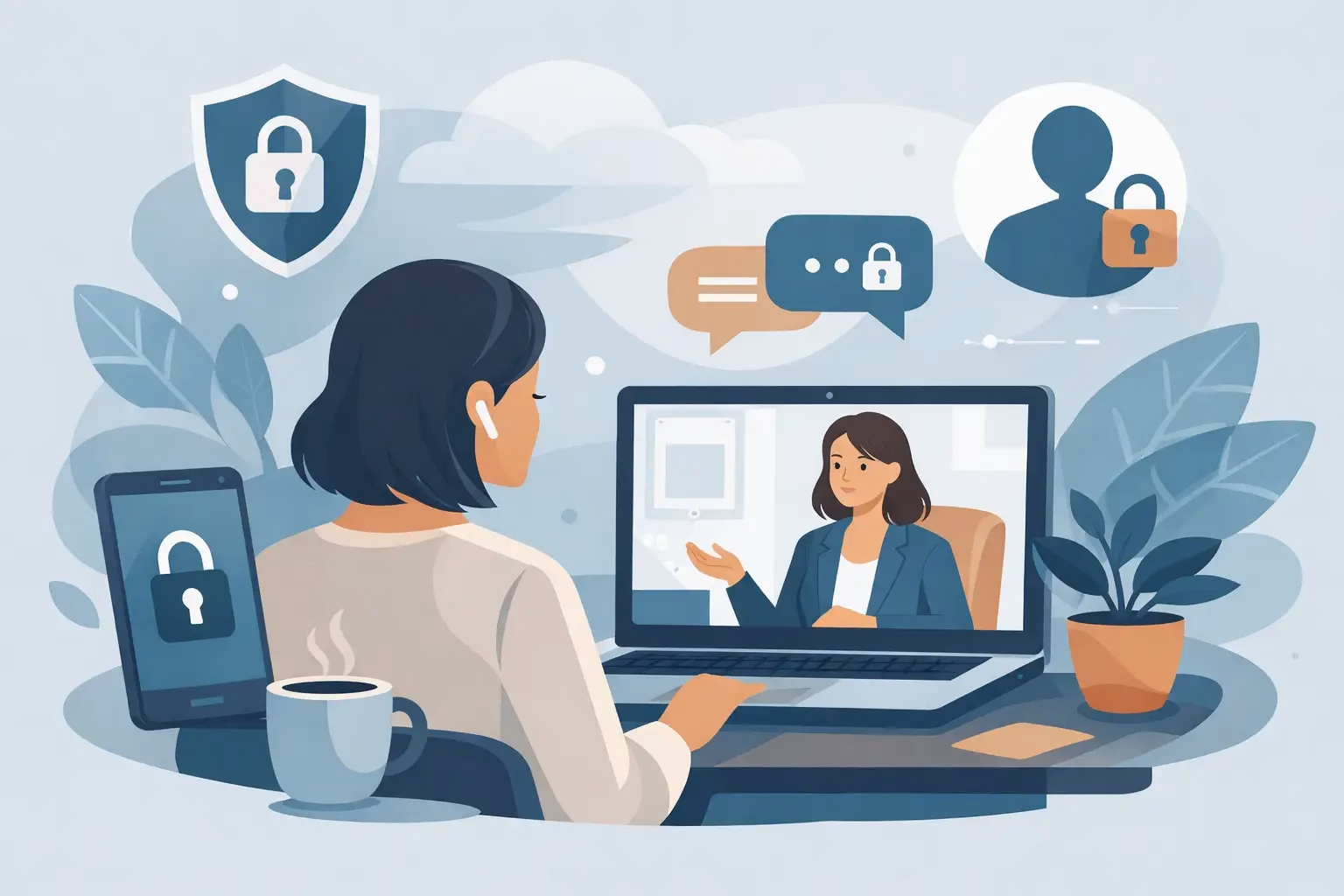
A Gentle Guide to Confidential Online Therapy
When you are already carrying anxiety, exhaustion, shame or uncertainty, the thought of explaining yourself to a stranger can feel like one more thing to manage. A guide to confidential online therapy should make the process feel clearer, not more clinical. Therapy is a space to be met with care and without judgement, and privacy is a central part of creating that sense of safety.
What confidential online therapy really means
Confidentiality means that what you share in therapy is treated as private. Your therapist should handle your personal information carefully, explain how notes are stored, and use an appropriate, secure way to hold sessions. In most circumstances, they will not share what you say with a partner, employer, family member, GP or anyone else without your permission.
This matters because therapy often involves the parts of life we have learned to keep hidden: painful memories, difficult relationships, unwanted thoughts, addiction, anger, grief, or the fear that we are somehow failing. Knowing that you can speak openly, at your own pace, can make it easier to begin.
Online therapy does not mean a less personal or less boundaried experience. It means meeting through a secure video platform, by phone, or sometimes through another agreed format, rather than travelling to a consulting room. For many people, that convenience is meaningful. You may be able to speak from home, fit a session around work or caring responsibilities, or access support when leaving the house feels overwhelming.
Privacy online is shared. A therapist has a responsibility to use professional systems and protect their records. You also have some control over your own setting. A private room, headphones, a charged device and a stable connection can help you feel more settled. Perfection is not required. The aim is simply to create enough privacy for you to speak freely.
A guide to confidential online therapy: the limits
Confidentiality is strong, but it is not an absolute promise of secrecy. A good therapist will explain the limits before therapy begins, in plain language, so that there are no surprises later.
There may be circumstances where a therapist has to consider sharing limited information to prevent serious harm to you or someone else, or where there is a legal duty to disclose information. This is unusual, and it is not about punishing you for being honest. Wherever possible, your therapist would talk with you first, explain their concern, and involve you in decisions about what happens next.
Therapists also usually receive professional supervision. This is a confidential space where they reflect on their work with an experienced supervisor to support safe, thoughtful practice. Your identity is protected as far as possible, and the purpose is to help your therapist care for you well, not to discuss you casually.
You are entitled to ask direct questions before your first session. You might ask how records are kept, which video platform is used, whether sessions are recorded, who can access your information, and what would happen if a safeguarding concern arose. A therapist should welcome these questions. Feeling informed is part of feeling safe.
Choosing a therapist you can trust
Qualifications and registration matter, particularly when you are sharing sensitive parts of your life. In the UK, look for a therapist who is registered or accredited with a recognised professional body and who works to an ethical framework. This gives you a clearer understanding of the standards they are expected to uphold, including confidentiality, boundaries and continuing professional development.
But credentials are only one part of the decision. The relationship matters too. You may want someone who has experience with the concerns bringing you to therapy, whether that is burnout, trauma, emotional disconnection, low self-esteem, relationships or addiction. You may also prefer a particular therapeutic approach, although you do not need to understand therapy models before making contact.
Notice how the therapist communicates. Do they explain things calmly? Do they make room for uncertainty? Do you feel pressured to disclose everything immediately, or invited to take things one step at a time? The right fit is not about finding a perfect person. It is about finding a practitioner with whom you can begin to feel sufficiently safe, heard and respected.
An integrative therapist may draw from more than one way of working, adapting therapy to the individual rather than trying to fit every person into one fixed method. At The Psychological Oasis, this human, collaborative approach is intended to make the first steps into therapy feel less formal and more manageable.
Preparing your space without adding pressure
You do not need a beautifully quiet house or an hour of free time either side of a session to benefit from online therapy. Life is often messier than that. Still, a little preparation can protect the time you have set aside for yourself.
If possible, choose a room where other people are unlikely to overhear. Headphones can offer extra privacy, especially if you share a home. Some people sit in their parked car or arrange a session during a quiet break at work, although it is worth considering whether you will feel emotionally comfortable there and whether the connection is reliable.
Let household members know you are unavailable if that feels safe to do, without needing to explain why. You could say you have an appointment or need uninterrupted time. Turn off notifications, place a glass of water nearby, and give yourself a few minutes after the session before moving straight into a meeting, school run or difficult conversation.
If privacy at home is not possible, say so. This is a common obstacle, not a personal failure. A therapist may be able to help you think through practical options, including phone sessions, different appointment times, or a slower beginning until a more private arrangement is available.
What happens in a first online session
The first session is usually about getting a sense of why you have come, what you hope might change, and whether working together feels right. You do not need to have a polished story. You may only know that you are struggling, feeling numb, constantly on edge, or tired of holding everything together. That is enough to start.
Your therapist may ask about your current circumstances, relevant background and what support you have around you. They should also go over practical matters such as fees, cancellations, confidentiality and how to contact them if the connection drops. This is not an interrogation. It is a way of building a shared understanding and a reliable frame for the work.
Some people feel lighter after a first session. Others feel exposed, tired or unsure. All of these reactions can be normal. Therapy can bring feelings closer to the surface before they begin to make more sense. You do not have to decide everything at once. It is reasonable to take time to consider whether the therapeutic relationship feels right for you.
Everyday digital privacy matters too
Confidential online therapy is not only about the session itself. Consider the small digital traces around it. If you share a device or email account, use a password that only you know and log out when needed. Check whether appointment notifications appear on a shared screen or calendar. You can ask for communication by the method that feels safest and most discreet for you.
Try not to record sessions or take screenshots unless this has been explicitly discussed and agreed. Therapy works best when the space feels contained rather than something that may later be replayed or shared. Your therapist should not record sessions without your clear consent either.
For clients living outside the UK, there can be extra considerations around local privacy laws, time zones and where information is processed. An experienced online therapist should be open about these details. It may take a little more planning, but distance does not prevent a thoughtful, confidential therapeutic relationship.
You are allowed to begin gently
Starting therapy can feel like a significant step, particularly if you have spent years minimising what you feel or trying to cope alone. You do not need to prove that things are bad enough. You do not need the right words before you reach out.
A confidential online space can offer a quieter place to pause, speak honestly and make sense of what has been weighing on you. Begin with the questions you need answered, choose someone who responds with care, and allow the process to unfold at a pace that feels possible. You do not have to face it alone.