
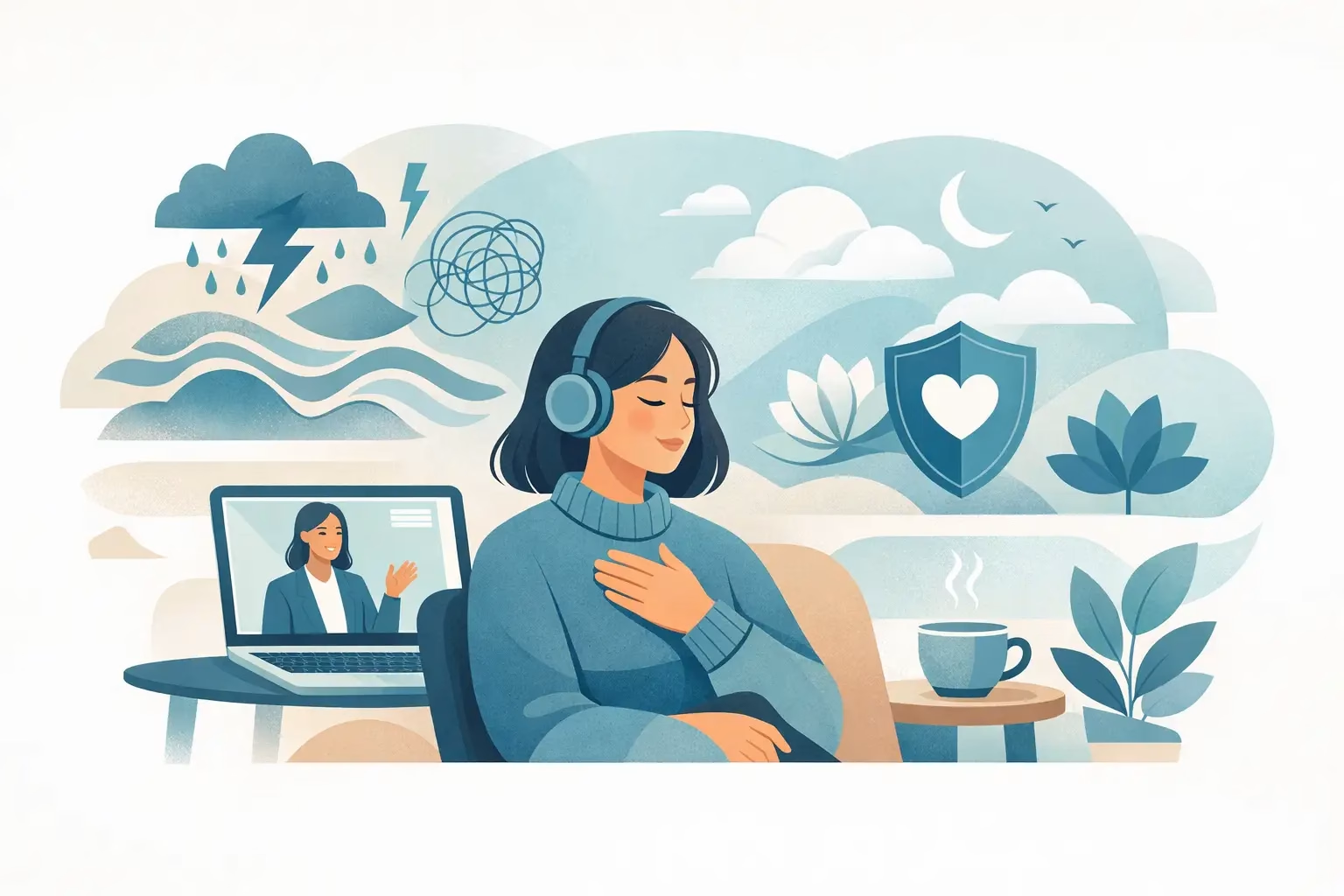
Online Therapy for Overwhelm That Feels Safe
Some people describe overwhelm as anxiety. Others call it burnout, stress, shutdown, or simply too much. However it shows up, it can make ordinary life feel strangely unmanageable. Replies go unwritten, sleep becomes unsettled, small tasks start to feel heavy, and even deciding what to do next can leave you feeling stuck. Online therapy for overwhelm can offer a quieter, more manageable place to begin making sense of that experience.
When you feel flooded, the idea of asking for help can itself feel overwhelming. That is often part of the problem. You may already be carrying too much, so anything that feels formal, exposed or demanding can quickly become one more thing you cannot face. Therapy needs to take that seriously. It should not add pressure. It should create a little more room to breathe.
What overwhelm can really feel like
Overwhelm is not always dramatic from the outside. In many cases, it looks like functioning just well enough while feeling stretched far beyond your limit. You might still be working, parenting, attending meetings, replying to messages and getting through the week, but privately you feel close to breaking point.
Sometimes overwhelm is linked to anxiety, where the mind rarely settles and the body remains on alert. Sometimes it comes through emotional numbness, where everything starts to feel flat, distant or unreal. For other people, it shows up as irritability, tears, compulsive habits, low motivation, poor concentration, or a constant sense of dread on waking.
There is not always one single cause. Overwhelm can build gradually after too long coping alone. It may follow a difficult relationship, unresolved trauma, work stress, grief, addiction, family strain, or a long period of putting everyone else first. It can also appear when life looks fine on paper, which can leave people feeling guilty or confused about why they are struggling.
Why online therapy for overwhelm can help
When life feels too loud or too fast, online therapy can offer a calmer point of contact. You do not need to travel, sit in a waiting room, or hold yourself together on the journey home afterwards. You can speak from your own space, with more privacy and less effort, which can make therapy feel more possible when your energy is already low.
That convenience matters, but it is not the whole story. Online therapy for overwhelm can also help because it reduces friction at the point where people most often get stuck – starting. If reaching out feels daunting, a gentler first step can make a real difference. For many people, being able to talk from home allows them to feel safer, less self-conscious, and more able to speak honestly.
That said, online therapy is not identical for everyone. Some people find it easier to open up on screen because there is a little more distance. Others miss the feeling of being physically in the room with someone. Neither response is wrong. Good therapy makes space for that and works with what helps you feel most at ease.
What therapy looks like when you already feel overloaded
If you are overwhelmed, therapy should not begin by expecting you to explain everything neatly. Often, people come to therapy feeling scattered, ashamed of how much they are carrying, or unsure where to start. A thoughtful therapist understands that. Sessions do not need to be polished. You do not have to arrive with the right words.
In practice, therapy may begin with slowing things down. That can mean noticing what your days currently feel like, what situations push you past your limit, and what happens in your mind and body when things become too much. Sometimes the first relief comes not from solving everything, but from being met calmly and without judgement.
From there, therapy can help you recognise patterns. You may notice that you overextend yourself until you crash, stay in survival mode long after a stressful event has passed, or find it difficult to identify your needs until you are already at breaking point. These patterns are not personal failures. They often make sense in the context of your history, relationships and ways of coping.
An integrative approach can be especially helpful here because overwhelm is rarely only one thing. It may involve emotions, nervous system stress, self-worth, boundaries, trauma responses, habits of caretaking, or ways of managing pain that once helped but now leave you feeling more depleted. Therapy can respond to the whole person rather than forcing your experience into a narrow box.
Online therapy for overwhelm is not about pushing you
Many people delay therapy because they fear being judged, analysed too quickly, or pressured to talk before they are ready. That fear is understandable. If you are already emotionally overloaded, what usually helps is not force. It is steadiness.
A good therapeutic relationship allows you to go at your own pace. Some sessions may focus on what has happened that week and why everything suddenly feels unbearable. Others may gently explore older experiences, relationship patterns or beliefs about yourself that keep overwhelm in place. The pace can shift as trust develops.
This matters because overwhelm often has a shame layer attached to it. People tell themselves they should be coping better, should be stronger, should have sorted this out by now. Those inner pressures can become as exhausting as the original problem. Therapy can begin to soften that harshness and replace it with something more realistic and more compassionate.
What changes therapy can support
The changes people hope for are often simple, though not always easy. You may want to feel calmer in your body, clearer in your thinking, less reactive in relationships, more able to rest, or less dependent on coping strategies that leave you feeling worse afterwards. You may simply want life to feel bearable again.
Therapy can support that by helping you understand your triggers, notice the early signs of overload, and respond to yourself differently. It can help you build boundaries without so much guilt, recognise when you are abandoning your own needs, and find language for experiences you may have carried alone for a long time.
Some people want practical support alongside deeper reflection. Others need a space to process grief, trauma or emotional pain that keeps spilling into daily life. Often it is both. Real change rarely happens through one insight alone. It tends to come through steady, human work over time, where feeling safe enough to be honest allows something to shift.
Starting therapy when you feel unsure
It is common to feel hesitant, even if part of you knows you need support. You might worry that your problems are not serious enough, or that you will not know what to say, or that therapy will be too intense. You may have had a poor experience before and feel cautious about trying again.
A gentler beginning can help. You do not need to have your story organised before making contact. You only need enough clarity to say that things feel too much right now. From there, the process should feel human, not like passing through a system.
This is one reason many people seek out a private practice such as The Psychological Oasis. The experience can feel more personal and less institutional, with space for uncertainty and a calmer first conversation. That can be especially valuable when overwhelm has already made ordinary decisions feel hard.
How to know if online therapy is the right fit
If you are finding it hard to cope, feeling persistently stretched beyond your capacity, or noticing that overwhelm is shaping your sleep, mood, relationships or daily functioning, therapy may be worth considering. You do not need to wait until things become unmanageable in every area of life.
Online work can be a strong fit if privacy, convenience and emotional ease matter to you. It may suit you well if travelling feels draining, your schedule is full, or you feel more able to speak openly from home. If you are unsure, that uncertainty can itself be part of the first conversation.
There is no perfect moment to start. Often there is simply a point where carrying everything alone begins to cost too much. Reaching out does not mean you are failing. It may be the first quiet act of not abandoning yourself.
If things have felt too much for too long, you do not have to force your way through it. Support can begin gently, at your own pace, and that alone can be the start of something changing.